Trinity partners with local primary school for Clean Air Living Lab
Posted on: 02 June 2026
The Clean Air Living Lab project was launched during Green Schools Ireland Clean Air Week last November, engaging students, staff, and the wider community in understanding air quality in Dublin.
/filters:format(webp)/filters:quality(100)/prod01/channel_3/media/tcd/sustainability/images/air-quality-for-news-item-pic.jpg)
Over the course of six months, the project measured air quality at 22 locations across Trinity’s College Green campus, and at South City Community National School in Dublin 8 as part of an education and outreach programme.
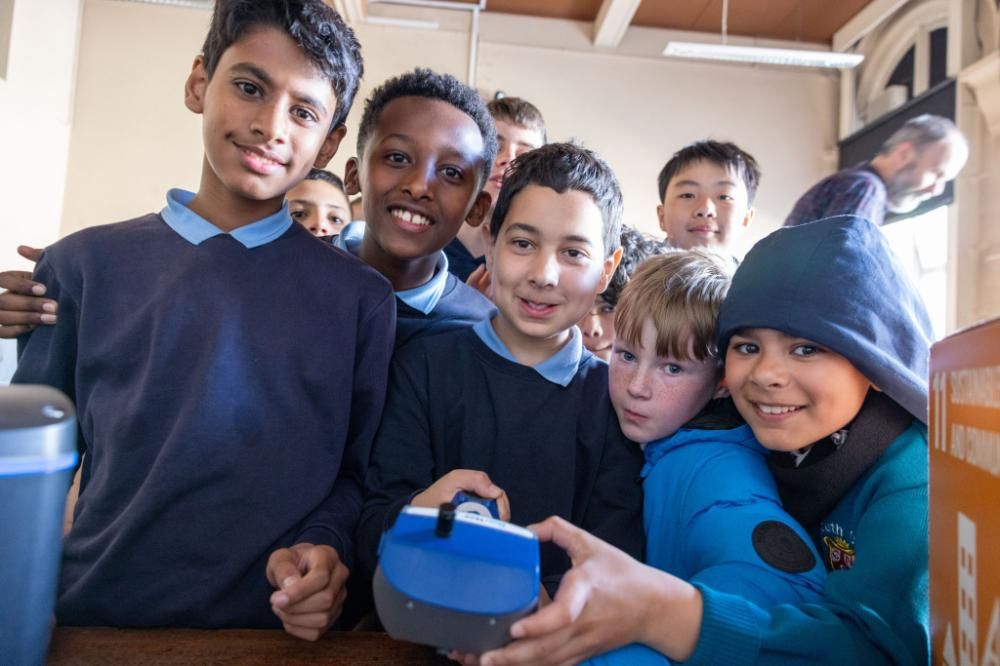
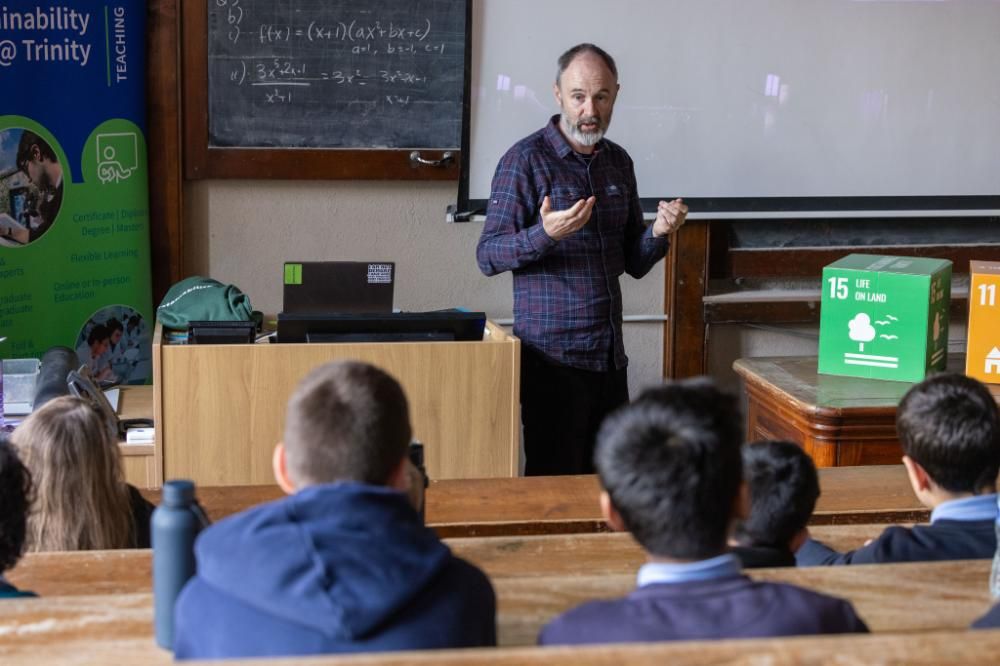
South City CNS primary school came to campus to take part in a knowledge exchange session with Trinity Sustainability, An Taisce, Prof John Gallagher and his postgraduate students. The students learned about Nitrogen Oxide diffusion (NOx) tubes, how they’re used to measure air quality, and what they measured during the course of the living lab. The group discussed actions to take to improve air quality and the visit concluded with a tour led by Collie Ennis, Biodiversity Officer.
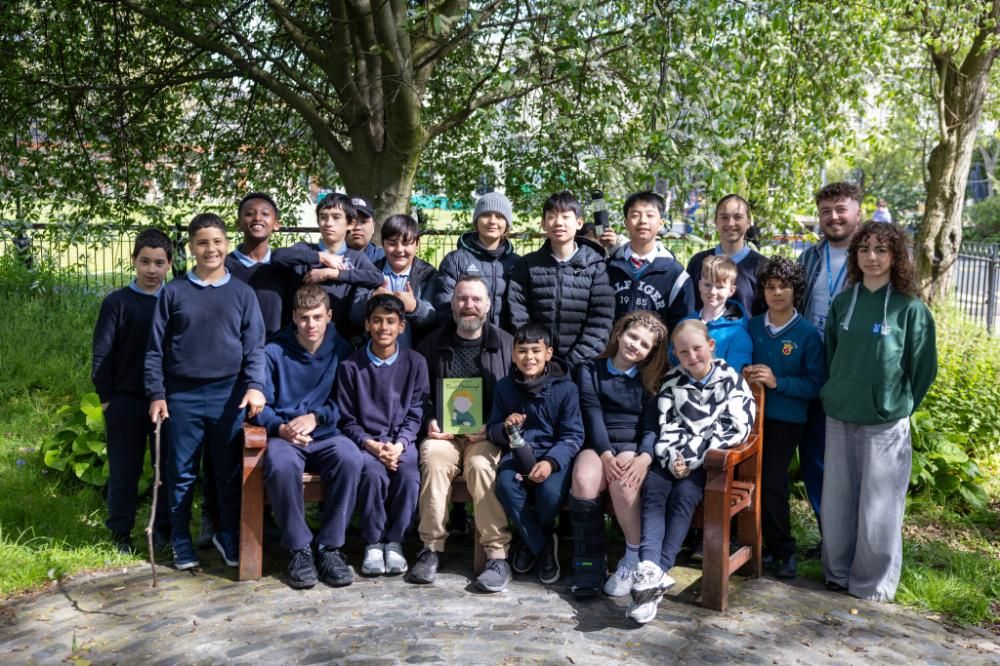
Jane Hackett, Sustainability Manager and professional lead on the living lab said “the Air Quality Living Lab project gave students valuable real-world experience in data collection and analysis, while demonstrating how data can support operational decision-making. It also creates ongoing opportunities to share knowledge and collaborate with our local community.”
In Ireland, the greatest air quality concerns are fine particulate matter largely from solid fuel burning and nitrogen dioxide (NO₂), which is closely linked to traffic and other combustion sources. The Environmental Protection Agency warns that even short-term exposure to NO₂ can harm health, while long‑term exposure increases the risk of respiratory and cardiovascular disease, stroke, and lung cancer. These impacts underline the urgency of improving urban air quality.
On the College Green campus, nitrogen dioxide (NO₂) concentrations varied across the monitoring locations, reflecting differences in proximity to traffic and campus site conditions. The highest average concentration was recorded below the bridge of Pearse Station, while the lowest concentration was measured at the Hamilton Building. The difference between the two locations, being near one another, demonstrates how air quality can significantly differ within smaller areas.
Professor John Gallagher, academic lead on the project says “With the data we now have, we can inform actions to better protect our staff, students and visitors, and we can maximise our outdoor campus spaces for teaching beyond the classroom.”
Trinity published two plans last year, the Campus Travel Plan and the Biodiversity Plan, that lay out actions to improve air quality on campus, such as reducing the frequency of deliveries, reducing car travel to campus and increasing the amount of space for people and nature.
The university is also a part of the Green Pearse Street initiative, which sets out to work with local businesses to improve cycling and green spaces in the area.
A full report on the Clean Air Living Lab project will be published on the sustainability website in the coming weeks.
The Clean Air Living Lab project was made possible with the support of Estates and Facilities, An Taisce’s Environmental Education Unit, Safe Routes to School and GLOBE Ireland Citizen Science programme. Trinity Access Programme facilitated the partnerships with local primary schools.
Media Contact:
Katie Byrne | Public Affairs and Communications | katie.s.byrne@tcd.ie | +353 1 896 4168